Complex Benign Gynecology Fellowship
The Northwestern University Fellowship in Complex Benign Gynecology is a two-year AAGL-accredited program focused on advanced training in minimally invasive gynecologic surgery and the comprehensive management of complex benign gynecologic conditions. Established in 2014, the fellowship provides high-volume clinical experience at Northwestern Memorial Hospital and Prentice Women’s Hospital, with an emphasis on multidisciplinary care, progressive surgical autonomy, and structured scholarly development. The program prepares fellows to advance the field of complex benign gynecology through surgical excellence, innovation, and scholarly contribution.
Our Program
Clinical Experience
During clinical rotations, fellows will gain extensive experience in the evaluation and appropriate selection of medical or surgical treatment for complex benign gynecologic conditions. Our program recognizes the importance of addressing diverse healthcare needs, and fellows will be equipped to provide specialized care for conditions such as abnormal uterine bleeding, uterine leiomyomas, endometriosis, adenomyosis, benign ovarian neoplasms, chronic pelvic pain, and Mullerian anomalies. The clinical experience is enriched by exposure to a substantial volume of both simple and advanced endoscopic surgical cases. Under the direct supervision of our core program MIGS faculty, fellows will learn and gain mastery in laparoscopic, hysteroscopic, vaginal (including vNOTES), and robotic surgery.
Fellows will also have the opportunity to master office procedures, including in-office hysteroscopy and gynecologic sonography. Fellows will collaborate with subspecialists in the care of patients with complex cases of endometriosis, pelvic pain, and fibroids. This collaborative approach involves working closely with colorectal surgeons, urologic and urogynecologic reconstructive surgeons, other surgical specialists, PM&R physicians, and interventional radiologists at our institution. This multidisciplinary focus ensures that our trainees refine surgical skills and navigate complex cases through effective collaboration, preparing them for comprehensive care in minimally invasive gynecologic surgery.
Clinical rotations are located at Northwestern Memorial Hospital, located in the Streeterville neighborhood of downtown Chicago, with primary surgical cases occurring at Prentice Women's Hospital.
During the two-year program, fellows will have opportunities to pursue elective rotations aligned with individual clinical and research interests.
Call requirements: Fellows fulfill a combination of MIGS practice group night call and emergency room responsibilities at various intervals throughout the year. Additionally, they serve as the gynecologic service attending, overseeing all patients on the resident gynecologic service and providing ER and hospital consultations during the day. Fellows also participate in shift duties in Prentice Women's Hospital OB triage unit, where they attend to patients with obstetric-related issues.
Education
While serving as gynecologic service attending on the inpatient gynecology service, fellows take on teaching responsibilities within the residency program, covering patient care, clinical decision-making, and resident physician management. They lead morning teaching rounds, provide guidance for inpatient consults, and act as junior attendings for emergent surgeries and surgical consults, fostering independence in their clinical training. The fellows take a central role in the weekly Endoscopy Rounds, curating a curriculum that incorporates a variety of simulation and didactic activities. They actively participate in teaching sessions, including preoperative conference, MIGS journal club, multidisciplinary fibroid and endometriosis conferences, gynecology simulation sessions, and anatomy labs. Additionally, fellows attend weekly departmental Grand Rounds and Morbidity and Mortality Conferences.
Our fellows benefit from the extensive academic and educational opportunities available at Northwestern University. They can engage in numerous Feinberg School of Medicine educational programs focusing on medical education, quality improvement, patient safety, and global health. Additionally, there are University-wide educational and professional development programs covering various topics, including bioethics, health equity and advocacy. Our fellows also receive tuition discounts for courses across various schools within Northwestern University.
Our program actively encourages fellows to participate in innovation and simulation, fostering a dynamic environment for advancing surgical education. Fellows have the chance to collaborate with the Innovations Lab, contributing to cutting-edge initiatives that enhance training methodologies and techniques.
Research
As an integral component of the fellowship, fellows undertake an independent research project in collaboration with MIGS faculty and/or faculty within Northwestern University Feinberg School of Medicine. This research initiative is designed to culminate in a presentation at a national meeting and subsequent publication in a peer-reviewed journal. Dedicated time for research is allocated on a weekly basis, adjusted according to the surgical and rotation schedule. The MIGS division provides essential support with a dedicated research coordinator facilitating the research process, aiding in grant applications, IRB applications, and research design. Regular divisional meetings are conducted to discuss and enhance ongoing and future research projects.
Each fellow gives a Grand Rounds lecture at Northwestern on a MIGS topic of their choice and presents their research at our Annual Resident and Fellow Research Day. In addition to these research and scholarly activities, it is required that the fellow complete a minimum of one course in clinical research, research design, biostatistics, or epidemiology unless the fellow has documentation of recent (i.e., within 10 years) graduate level coursework in one or more of these topics or holds a graduate level degree in the required area(s). Optionally, fellows can pursue additional degrees such as MPH, MA, MBA, or MSCI (Master of Science in Clinical Investigation) during their fellowship, with tuition defrayment available through university benefits. These courses are integrated into the fellows' block schedule, with reading and coursework completed outside regular work hours.
Fellows attend the FMIGS Fellows Surgical Boot Camp annually and are encouraged to participate in and present research in various settings including the Advanced Robotics workshop, AAGL, SGS, APGO/CREOG, and ASRM.
How to Apply
- Applications for 2027 Complex Benign Gynecology (CBG) Fellowship positions will be submitted through FellowshipsCAS and must be completed by May 1, 2026.
- Key dates and Application Platform
- Applications for 2027 appointments open in FellowshipsCAS on February 3, 2026.
- The deadline to submit a completed application (including all required documents) is May 1, 2026.
- All application materials must be uploaded through FellowshipsCAS: https://fellowshipscas.cas.myliaison.com
- If you have additional questions regarding the application season, please contact Cindy Fuentes at cindy.fuentes@nm.org
Why Northwestern?
 Housestaff training through McGaw Medical Center of Northwestern University provides diverse and challenging clinical experiences and world-class education located in the heart of the beautiful city of Chicago.
Watch Our Videos
Meet Our Team


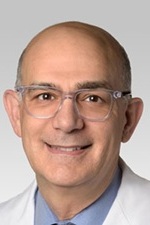
Associate Program Director

Associate Professor of Minimally Invasive Gynecology Surgery

For more information, contact our Fellowship Coordinator Cindy Fuentes at cindy.fuentes@nm.org.
Physician-Scientist Training & Resources
We offer a wide range of resources, mentorship opportunities and training to help our residents and fellows excel as physician-scientists. Explore all of the resources and hear from housestaff who are making research a major part of their career development plans.