- Expert-Led Seminars: Events are often led by NUPTHMS alumni who are experienced clinicians, researchers and experts in their fields.
- Flexible Formats: Based on the topic and presenter, many sessions are offered online.
Continuing Education Events
The Department of Physical Therapy and Human Movement Sciences (NUPTHMS) at Northwestern University Feinberg School of Medicine offers a dynamic array of Continuing Education (CE) opportunities designed to support lifelong learning and professional development for physical therapists and healthcare professionals. These events are crafted to reflect the latest advancements in rehabilitation science, clinical practice and healthcare innovation.
Event Features
- CEU Credits: Participants often receive CE credits, supporting licensure and certification requirements.
- Frequency: NUPTHMS aims to offer CE opportunities quarterly and are open to all participants unless otherwise stated.
Cancellation Policy: Unless otherwise noted, cancellations made at least two weeks prior to the event will receive a 50 percent refund. No refunds will be issued for cancellations made within two weeks of the event. The cancellation policy does not apply to free events.
If you have a question about an upcoming event or are an alum interested in hosting a CE event, please contact program coordinator Toby Sanders at toby.sanders@northwestern.edu.
Upcoming Events
Physical Therapy in the Age of Ozempic: What Every PT Should Know about GLP-1 Agonists
Presenter: Christine Schauerte, PT, DPT
Date: Nov. 18, 2026
Time: 7:00-8:30 PM CT
Location: Online via Zoom
- Standard ticket: $30
- Student ticket: free
More Information
Abstract:
Physical therapists routinely see patients who have diabetes, obesity, metabolic syndrome, or significant risk factors for these conditions. Currently, there is an explosion in the use of GLP-1 agonist medications to help manage both Type 2 diabetes and obesity. Understanding the clinical implications of GLP-1 agonist medication use in the PT population will be presented. Given the systemic effects of both diabetes and obesity, the pathophysiological effects on muscle tissue will be highlighted, including the evidence regarding the risk for sarcopenia. Attendees will leave with knowledge on promoting preservation of muscle mass and ways to improve glycemic markers, with particular attention to the subset of patients who may be experiencing rapid weight loss due to unprecedented use of this class of medication.
Objectives:
- With the GLP-1 agonist medication use skyrocketing, attendees will understand the mechanisms of action and the systemic effects of GLP-1 agonist medications
- Given the importance of skeletal muscle and lean body mass on cardio-metabolic health and physical function, attendees will be able to speak to the long term effects of GLP-1s on body composition and health outcomes with their patients
- Attendees will appreciate pre-existing pathophysiological muscle changes at baseline in this population and the risk for sarcopenia with GLP-1 use
- The presentation will provide ways to assess for sarcopenia in the clinic and evidence-based guidelines for resistance training will be presented to help ameliorate the effects of sarcopenia
About Our Speakers:

Christine Schauerte, PT, DPT graduated from Washington University with her MSPT in 1997 and completed her DPT in 2005. She is an APTA Board Certified Specialist in Orthopedics (2011) and completed a Post- Graduate Diploma in Manipulative Therapy at the University of Otago in Dunedin, New Zealand in 2013. In 2015, she completed the University of Illinois Fellowship in Orthopedic Manual Physical Therapy and became a Fellow in the American Academy of Orthopedic Manual Physical Therapists. She served as an adjunct faculty instructor at Northwestern University’s Physical Therapy and Human Movement Sciences DPT program from 2019 to 2026 and is a Faculty Instructor and Mentor in the Northwestern University Fellowship in Advanced Orthopedic Physical Therapy Practice, Research, and Education. She has practiced PT for 28 years, primarily in outpatient orthopedics with a focus on manual therapy. Chris has been interested in the intersection of metabolic and musculoskeletal health throughout her PT career, lecturing frequently about PT and health promotion in the diabetes population. In January, she joined the DPT faculty at North Central College’s DPT program in Naperville, Illinois in the Lecturer role.
Menopause Matters: What's happening, why it's happening, and how to help your patients feel their best
Presenter: Rachel Bergen PT, DPT, OCS
Date: Dec. 10, 2026
Time: 7:00-8:30 PM CT
Location: Online via Zoom
- Standard ticket: $30
- Student ticket: free
More Information
Abstract:
Menopause is more than reproduction transition; it can influence musculoskeletal health, bone density, body composition, sleep, recovery, and overall physical function. As providers, we often associate these changes with aging or other pathologies, but not often due to hormone changes.
This evidence-based presentation explores the physiology of menopause, common symptoms and their impact on daily activities and longevity as well as practical strategies physical therapist’s can use to support their patients through this stage of life. Topics include the physiology of menopause, defining the stages of menopause, understanding lifestyle changes in symptom management, hormonal replacement therapy and non-hormonal replacement options.
Participants will leave with practical tools to address symptoms that can occur with menopause, improve patient education for long term health, and confidently incorporate menopause informed care into clinical practice.
Objectives:
- Identify where your patients are in the menopause transition
- Understand why a change in hormones can lead to pain
- Identify the hierarchy for how to manage menopause related symptoms
- Implement management strategies for menopause symptoms in the context of patient care
About Our Speaker:
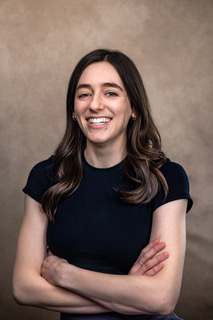
Rachel Bergen PT, DPT, OCS earned her bachelor’s degree in Kinesiology from California Polytechnic State University and her Doctor of Physical Therapy from Creighton University in Omaha. During her time at Creighton, she worked with sports teams on return-to-sport training and research testing. She completed an Orthopedic Residency and completed her Fellowship in Advanced Orthopedic Physical Therapy Practice Research at Northwestern University. During her fellowship she researched why menopause leads to pain in patients and learned how under-researched this topic was. This sparked her interested in learning about Menopause, understanding its impact on patients and how to best support women going through Menopause. Her current orthopedic work focuses on advance orthopedics and chronic pain. She enjoys working with patients of all ages and helping them reach their highest potential.
Baby Observational Selective Control AppRaisal (BabyOSCAR) Training 2026
Presenters: Colleen Peyton, PT DPT, MSCI & Theresa Moulton, PT, DPT, PhD
Date: Dec. 12-14, 2026
Time: Each day (roughly) 7:30 a.m- 5:00 p.m. CST
Location: In person at NUPTHMS
There is a $700 'early bird' registration fee and attendees will receive up to 21 credit hours.
Registration will increase to $900 on November 16th, 2026.
For questions, please contact Theresa Moulton at theresa-moulton@northwestern.edu.
More Information
Abstract:
Research conducted in the last 20 years has shown the qualitative assessment of spontaneous movement in the fetus, newborn, and young infant is an early and reliable indicator for diagnosis and prognosis of neurological disorders. The Baby Observational Selective Control AppRaisal (BabyOSCAR) tool has been shown to both predict a diagnosis of cerebral palsy as well as prognosis for motor involvement. This inaugural course will cover the background, scoring, interpretation and implementation of BabyOSCAR. The course will consist of lessons, demonstration, and discussion of video-recordings. Lectures will alternate with exercises in small groups with videos prepared by the tutors. At the end of the course participants be required to take a final test in order to receive a certificate of reliability in this method of assessment. Participants should have experience and certification in the Prechtl’s Method of General Movement Assessment. Register soon to take advantage of the special pricing for the first offering of this course.
Objectives:
At the completion of this course, participants will be able to:
- Define selective motor control in older children and describe how it may appear in an infant.
- Demonstrate reliability in score videos of infants at less than 5 months of corrected age using the Baby OSCAR
- Describe how scores on Baby OSCAR at 3 months are related to spastic CP prognosis, GMFCS level and distribution of CP at ≥ 2 years of age.
Cancellation Policy:
Any cancellation up until 2 weeks before the course will result in a $100 cancellation fee. Any cancellation made 2 weeks prior to the course will NOT receive a refund.
General Movement Assessment Course 2027 (Basic & Advanced)
Presenters: Colleen Peyton, PT DPT, MSCI & Theresa Moulton, PT, DPT, PhD
Date: April 21-23, 2027
Time: Most days 7:30 a.m- 4:00 p.m. CST | Last day 7:30 a.m.- 11:30 a.m. CST
Location: In person at NUPTHMS
Both courses have a $950 registration fee and attendees will receive up to 21 credit hours.
For questions, please contact Theresa Moulton at theresa-moulton@northwestern.edu.
More Information
Abstract:
The Feinberg School of Medicine Department of Physical Therapy and Human Movement Science is proud to offer both the basic and advanced general movement assessment courses. Research conducted in the last 20 years has shown the qualitative assessment of spontaneous movement in the fetus, newborn, and young infant is an early and reliable indicator for diagnosis and prognosis of neurological disorders. Compelling evidence is now available that qualitative assessment of General Movements —a specific type of spontaneous movement—under the age of five months is the best predictor of cerebral palsy. This course fulfills the standards specified by the Generalized Movement Trust (https://general-movements-trust.info/5/home). The course will consist of lessons, demonstration, and discussion of video-recordings. Lectures will alternate with exercises in small groups with videos prepared by the tutors.
At the end of the course participants be required to take a final test in order to receive a certificate of reliability in this method of assessment.
Participants registering for the advanced course must have completed the basic training course prior to attending the advanced course. Advanced course participants will learn more detailed scoring systems and will have the opportunity to review their own recordings with the tutor.
Objectives:
Basic
- Assess typically developing infants using the General Movement Assessment;
- Assess infants with brain lesions using the General Movement Assessment;
- Describe how to incorporate the General Movement Assessment technique into their clinical and research practices;
- Distinguish between typical and atypical general movements in developing infants using the General Movement Assessment.
Advanced
- Assess the components of general movements including speed, amplitude, intensity, and rotations during the preterm and term age.
- Evaluate the individual trajectory of developing infants using the assessment of components of general movements.
- Assess fidgety movements and the concurrent motor repertoire (movements and postures) in 3-5 month old infants.
- Discuss their own diagnosis of developing infants using infant movement assessment illustrated with their own recordings.
Cancellation Policy:
Any cancellation up until 2 weeks before the course will result in a $200 cancellation fee. Any cancellation made 2 weeks prior to the course will NOT receive a refund.