Centers
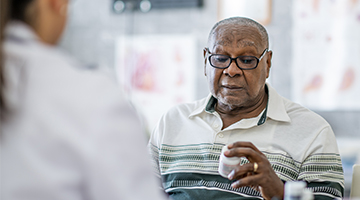
Applied Health Research on Aging
The Center for Applied Health Research on Aging (CAHRA) is committed to promoting informed decision making and actions leading to optimal health and well-being among individuals and families over the life span.
Behavior and Health
The Center for Behavior and Health works to understand the cause and effect of health risk behaviors and how to best develop interventions to promote healthy lifestyles.

Behavioral Intervention Technologies
Center for Behavioral Intervention Technologies (CBITs) conducts research that will lead to broad and sustainable implementation of effective digital mental health interventions in our healthcare systems.
Bioethics and Medical Humanities
The Center for Bioethics and Medical Humanities brings together disciplines to help enrich understanding about complex issues of illness, healthcare, technology and human values.
Buehler Center for Health Policy and Economics
The Buehler Center for Health Policy and Economics strives to understand the economic impact of public health and social policy, quality improvement programs and community and clinical interventions on human health.
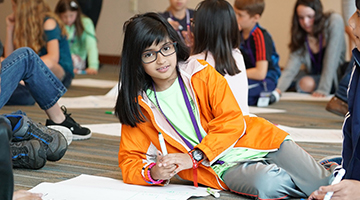
Community Health
The Center for Community Health engages communities, patients and stakeholders to inform culturally and community-centered solutions for addressing healthcare challenges.

Dissemination and Implementation Science
The Center for Dissemination and Implementation Science aims to advance equitable access to evidence-based public health and medical interventions in community and clinical service settings.
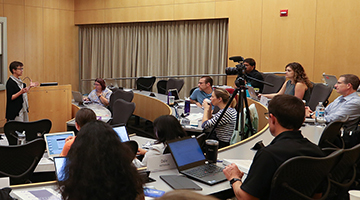
Education in Health Sciences
The Center for Education in Health Sciences brings together existing innovative and high-quality education and training programs to expand opportunities for trainees, enhance educational content and conduct research.

Engineering and Health
The Center for Engineering and Health brings together investigators in analytics, mathematical modeling and operations research with healthcare administrators and clinician-investigators to addresses deficiencies in healthcare delivery.

Epidemiology and Population Health
The Center for Epidemiology and Population Health brings together epidemiologists, biostatisticians and biomedical informaticians to improve prevention and treatment strategies for diseases that have a major impact on population health.

Food Allergy & Asthma Research
The Center for Food Allergy & Asthma Research creates an interdisciplinary and collaborative research core to make meaningful improvements in the health of children, adults and families living with allergic disease.
Health Equity Transformation
The Center for Health Equity Transformation aims to address health inequities in all sectors, serving as a learning research, education and training hub that pushes boundaries and innovates to improve human health.

Health Information Partnerships
The Center for Health Information Partnerships shares expertise and collaborates with a wide range of organizations, academic partners and communities on health data projects.
Health Services & Outcomes Research
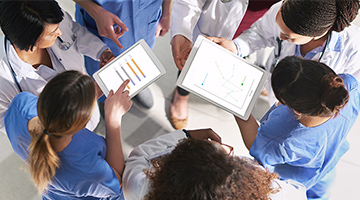
The Center for Health Services & Outcomes Research generates new knowledge to improve healthcare practice, population health and health equity by discovering which healthcare interventions work best for which people.

Osher Center for Integrative Health
The Osher Center for Integrative Health at Northwestern University aims to provide innovative patient care, education and research in the field of integrative medicine.

Patient-Centered Outcomes
The Center for Patient-Centered Outcomes provides an incubator for investigators and clinician-scientists whose work focuses on the integration of health outcomes that incorporate patient perspectives.
Primary Care Innovation
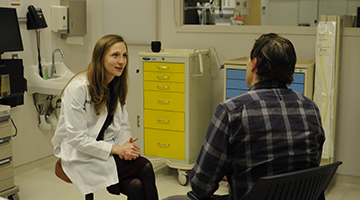
The Center for Primary Care Innovation works to attract talented trainees to primary care, test innovative ways to improve care delivery and promote the adoption of innovative best practices.
Translational Metabolism and Health
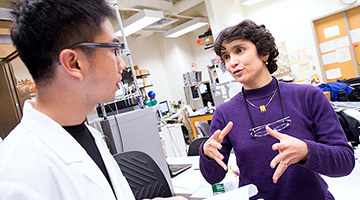
The Center for Translational Metabolism and Health unites scientists from across multiple disciplines to develop an innovative, world-class program of translational biomedical research and research training.