Innovation Spotlight: Empowering Feinberg's Unsung Heroes
This story was published in the September 2026 issue of The Philanthropist, a newsletter for supporters and friends of Northwestern University Feinberg School of Medicine. View our publications here.
Each day, our faculty, students, and trainees at Feinberg dedicate time to innovate new ideas and programs that will move the needle in medicine and science. Here, we spotlight some of the exciting work that often happens behind the scenes and beyond daily clinical care.
Thank you to all the donors who contribute to these efforts, now and in the future. Your philanthropy fuels these projects and programs—enabling their very existence and empowering them to grow for the benefit of patients today and tomorrow.
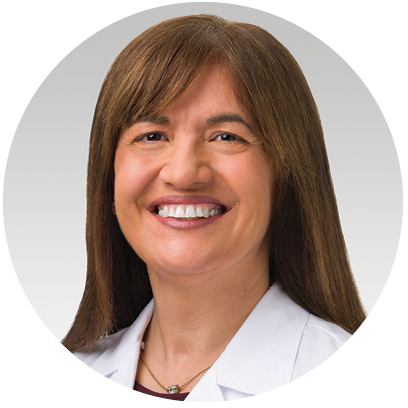 Unlocking New Paths to Treat Nerve Pain
Daniela M. Menichella, MD, PhD, associate professor of Neurology and Pharmacology, is advancing our understanding of peripheral neuropathy, a group of conditions that can cause chronic pain, numbness, and nerve damage. She studies the cellular and molecular mechanisms that drive neuropathic pain and axonal degeneration in hereditary and acquired peripheral neuropathies, with a particular focus on painful diabetic neuropathy. Her work is reshaping long-held views of the disease by showing that the skin plays an active role in pain and nerve degeneration, rather than serving as a passive target of nerve injury. Using innovative approaches that combine studies of human tissues, advanced imaging, and multi-omic technologies, Dr. Menichella has identified previously unrecognized interactions between skin cells and sensory nerves that may contribute to disease progression. By integrating laboratory discoveries with detailed patient data, she is working to identify new biomarkers and develop more precise, targeted therapies that could improve outcomes and quality of life for people living with peripheral neuropathies.
For more information on supporting the efforts above, contact Andrew Christopherson at 312-503-3080 or andrew.christopherson@northwestern.
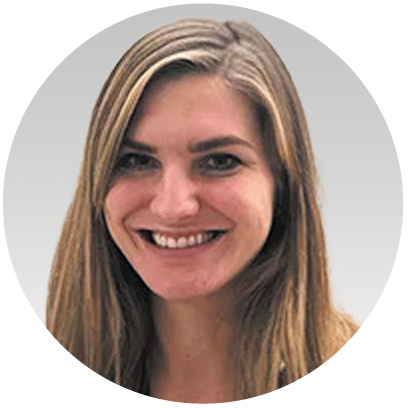 Expanding Global Pediatric Care Through Simulation Training
Colleen D. Fant, MD, MPH, co-director of the Center for Global Pediatric Health and assistant professor of Pediatrics (Emergency Medicine), is working to improve outcomes for critically ill children by expanding access to advanced simulation-based medical training in communities where these educational resources are often unavailable. Through a collaboration between Northwestern University, Lurie Children’s Hospital, and partners in Tanzania, Dr. Fant is helping bring the same simulation techniques used to train providers in leading pediatric hospitals to frontline clinicians caring for children in resource-limited settings. Simulation allows physicians, nurses, and trainees to safely practice responding to high-risk medical emergencies—such as respiratory failure, shock, and other critical illnesses—before treating real patients. Under Dr. Fant’s leadership, portable simulation laboratories equipped with mannequins and training supplies are being used to strengthen skills in acute pediatric care, encourage teamwork, and improve communication. By training local educators and building sustainable programs, her work helps ensure that healthcare providers are better prepared to respond when children face life-threatening emergencies.
For more information on supporting the efforts above, contact Jenn Burke at 312-503-4635 or jennifer.burke@northwestern.edu.
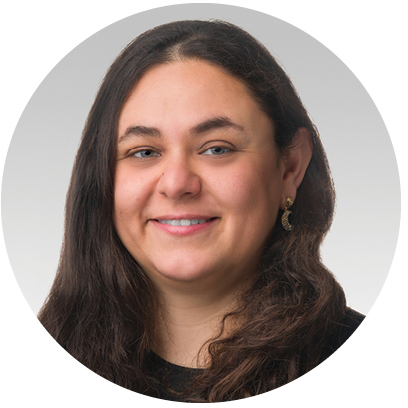
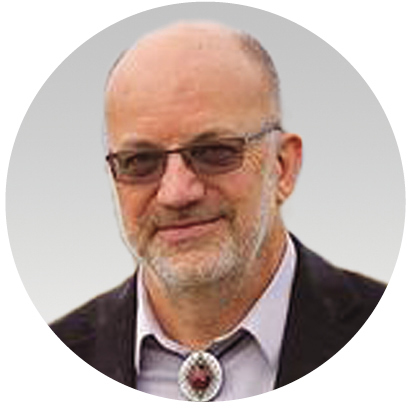
Repairing Nerve Damage in Multiple Sclerosis
Farrah J. Mateen, MD, PhD, the Dr. Charles L. Mix Research Professor of Neurology and director of the Center for Global Neurology, is leading efforts to develop therapies that could repair nerve damage caused by multiple sclerosis (MS), a disease affecting an estimated 750,000 people in the U.S. Working closely with Brian Popko, PhD, scientific director of MS and Neuroimmunology and the William Frederick Windle Professor of Neurology, whose discoveries helped establish the scientific foundation for this approach, Dr. Mateen is advancing a novel remyelination strategy designed to help the nervous system repair itself. While existing medications can reduce immune attacks, they cannot restore myelin, the protective coating around nerve fibers that is damaged in MS. Her team aims to both protect myelin-producing cells from inflammatory damage and promote the growth of new myelin. Building on encouraging laboratory findings, Dr. Mateen is preparing one of the first human studies of this combination therapy in people living with MS. This approach could pave the way for a new class of treatments that slows disease progression and restores neurological function for people affected by MS worldwide.
For more information on supporting the efforts above, contact Andrew Christopherson at 312-503-3080 or andrew.christopherson@northwestern.
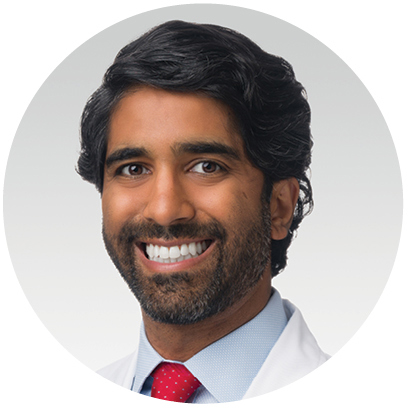 Leveraging Artificial Intelligence for Better Heart Care
Faraz S. Ahmad, MD, MS, assistant professor of Cardiology and Preventive Medicine, is revolutionizing a new era of cardiovascular care through the development and implementation of artificial intelligence (AI) and digital health technologies. Dr. Ahmad focuses on improving the diagnosis, treatment, and management of complex heart conditions, including heart failure and cardiac amyloidosis—an often-underrecognized disease that can take years to diagnose. His work bridges leading-edge technology and real-world patient care, creating AI-enabled tools that help clinicians identify high-risk patients earlier, personalize treatment decisions, and improve access to specialized care. Through initiatives that support earlier detection of cardiac amyloidosis, timely identification of patients with worsening heart failure, and increased use of life-saving therapies, Dr. Ahmad aims to make cardiovascular care more precise, efficient, accessible, and
patient-centered.
For more information on supporting the efforts above, contact Kathleen Praznowski at 312-503-0762 or kathleen.praznowski@northwestern.edu.