Etka Frimerman’s Life and Legacy Inspire Brain Tumor Breakthroughs
Through a generous gift from anonymous donors, neurosurgeon Adam M. Sonabend, MD, was afforded the unique opportunity to name his own professorship—an honor he used to pay tribute to his late grandmother, Etka Frimerman.
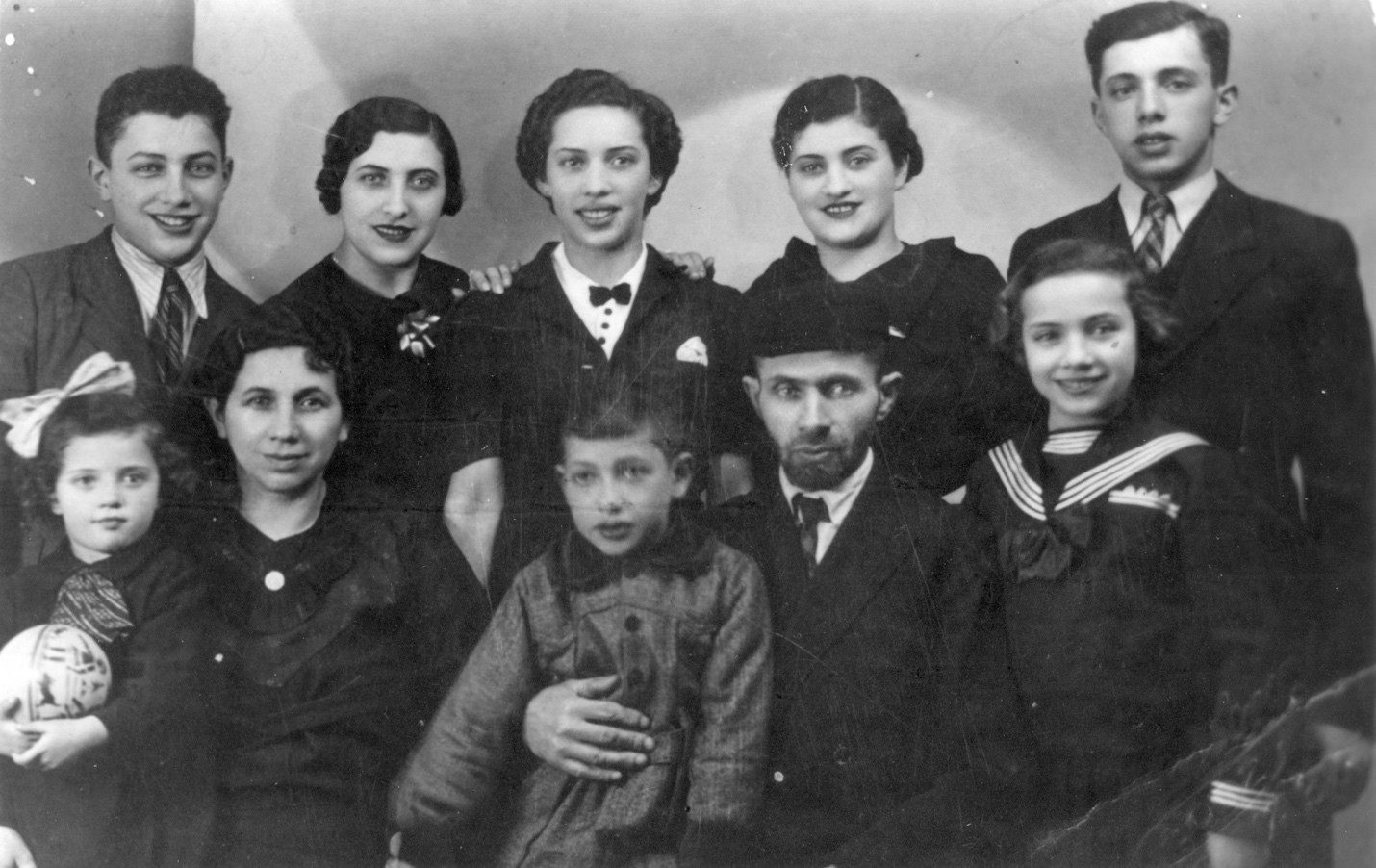
Frimerman, who passed away in 2007 at the age of 81, came of age during one of history’s darkest chapters. Born in 1926 in rural Poland, she was a teenager during the Nazi invasion, during which her life was irreparably altered. She survived years of extreme hardship—ghettoization, starvation, and ultimately Auschwitz—while most of her family was lost. She eventually escaped and joined a distant relative in Colombia, where she met her husband, Zelik Worthalter, and raised a family that she looked after with a sharp and resolute eye. Her dedication to her family, the love she expressed through practical action, and her resilience captivated Dr. Sonabend as a child and even more so as an adult, when he learned more about her past.
“Her life is a testament to the indestructible human spirit,” Dr. Sonabend said. “I owe everything to her—her values define who I am.”
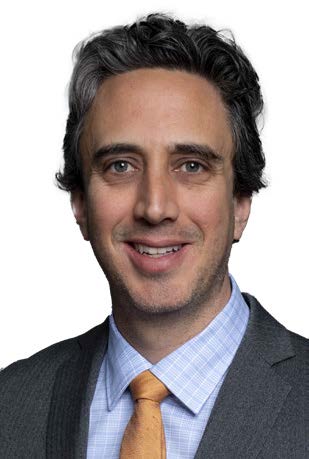
The Etka Frimerman Professorship of Neurosurgery is both an honor and a critical source of support for Dr. Sonabend. As a professor and as director of Translational Neuro-oncology at Northwestern University Feinberg School of Medicine, he leads a research program focused on developing new therapies and clinical trials for patients with brain tumors, while also spending ample time in the clinic and operating room. The Frimerman Professorship, established in late 2025, provides essential financial stability for his endeavors, enabling him to sustain his work both in the lab and in the operating room.
“Being a physician-scientist is almost like being the CEO of a small company —you’re responsible for everything. This is a breed under extinction, because it’s becoming harder and harder to do both clinical work and research,” Dr. Sonabend said. “The professorship provides financial support that allows me to focus on the science and on patient-centered research.”
From Survival to Stability
After sitting down to her first peaceful postwar Shabbat dinner—the Friday evening meal that marks the beginning of the Jewish Sabbath—in Ibagué, Colombia, Etka Frimerman resolved to move forward with determination. She decided she would rebuild her life and focus on raising her family, never yielding to self-pity, Dr. Sonabend and his mother, Fanny, said.
“After World War II, she decided that she had to live for her family. She knew what she wanted, and she would do whatever demanded to achieve that,” Fanny Sonabend said.
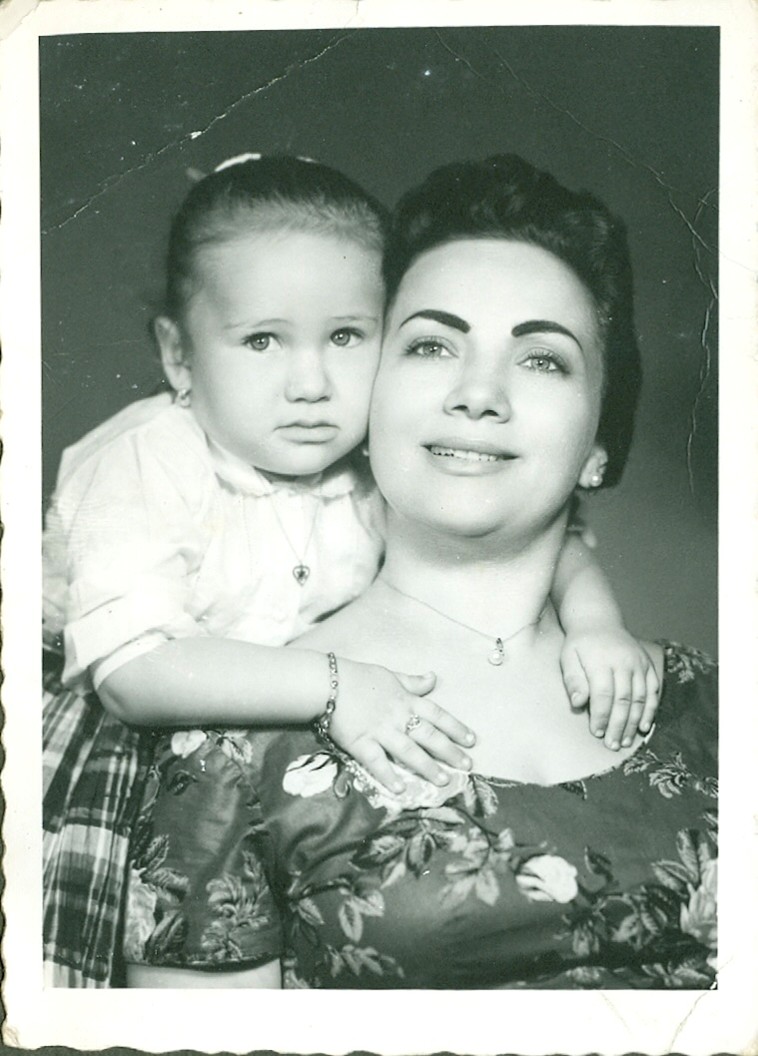
Frimerman built a livelihood in Ibagué and later in Bogotá through hard work, running a convenience and gift shop that supported her children’s education and future success. Known for her strength and directness, she offered guidance and support to those around her, family and community members alike.
Though she seldom spoke about her wartime experience, its lessons were evident in her actions, which centered around stability and opportunity for her family. Her store provided a reliable financial foundation as well as employment for her family, and through her modest income, she ensured that all of her children could attend university. In 1985, after a deadly earthquake destroyed basic infrastructure including running water, electricity, and communications for millions of people in Mexico City, including Fanny and her children, Etka Frimerman demonstrated her commitment to ensuring her family would survive, arriving in a matter of days from Colombia with two suitcases full of canned food.
Later in life, Etka and Zelik adopted a nomadic lifestyle, moving between Bogotá, Mexico City, and Miami, spending extended periods living near whichever of her children needed her. Their final settlement was an apartment in Mexico City.
“She was a strong, pragmatic woman—the hardest-working person you could imagine,” Dr. Sonabend said.
Today, her story lives on through the professorship and Dr. Sonabend, who emigrated from Mexico City to the U.S. at the age of 26. After building a reputation as a caring and effective neurosurgeon, first at Columbia University in New York and then at Northwestern, anonymous donors—patients of Dr. Sonabend—established the professorship to further amplify his impact in the field.
“As I carry Etka Frimerman as a professorship, I will honor this mission of working to improve the outcomes of brain tumor patients and hope that, in the future, this endowment and name are passed on to a brain tumor researcher-physician whose career objective is to make a difference for these patients,” Dr. Sonabend said. “The values of survivorship and the pursuit of life with dignity that Etka Frimerman represents are timeless, universal, and essential. I hope her story inspires future generations.”
For more information about supporting professorships or the Department of Neurosurgery, please contact Andrew Christopherson at andrew.christopherson@northwestern.edu or 312-503-3080.
This story was published in the Fall 2026 issue of The Philanthropist, a newsletter for supporters and friends of Northwestern University Feinberg School of Medicine. Read past issues here.