A Bequest Benefiting the Future of Arrhythmia Care
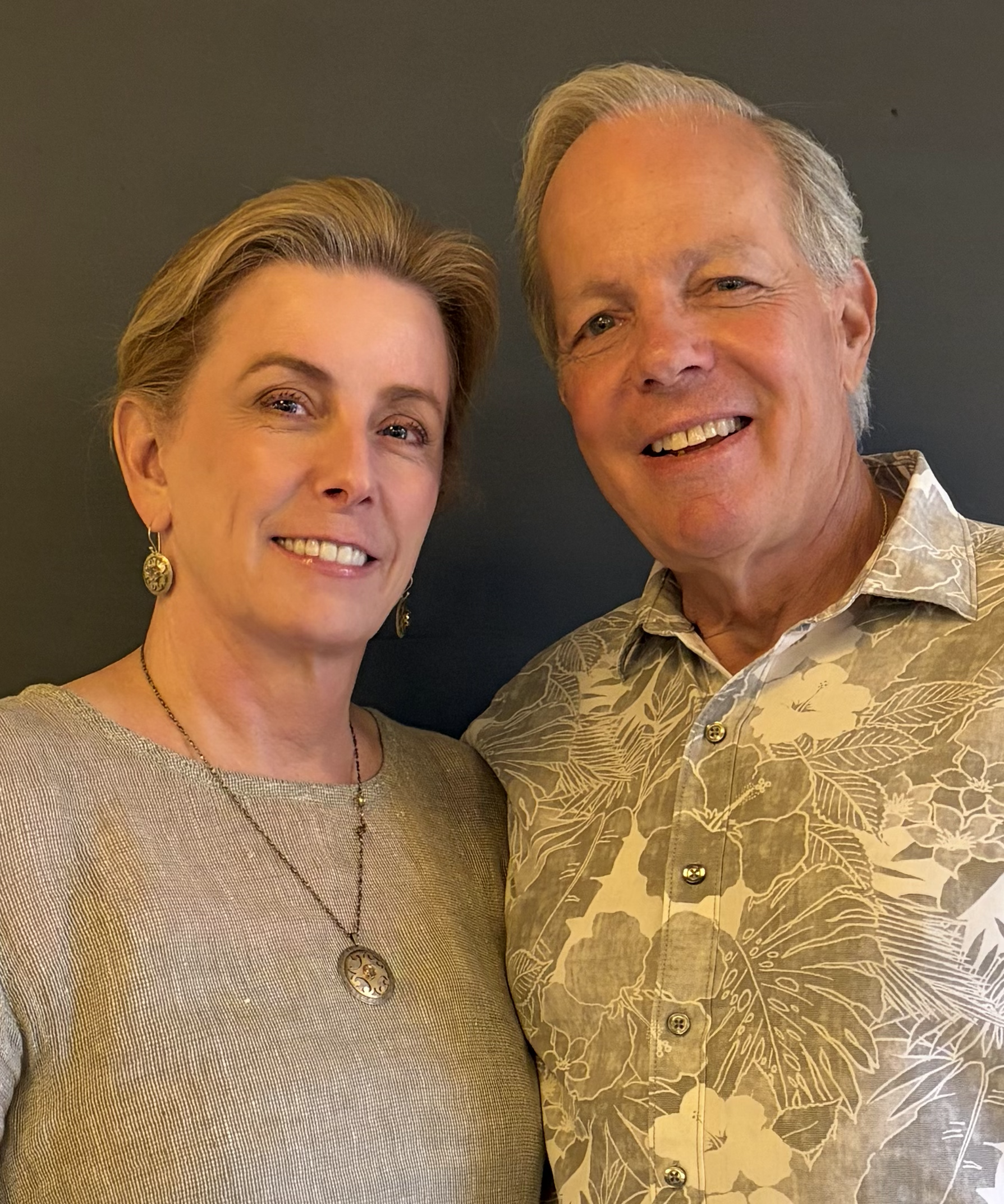
When Luke Howe was diagnosed with atrial fibrillation (AFib) and underwent an ablation in 2008, a minimally invasive procedure to eliminate tiny areas of heart tissue causing irregular heartbeats, he was paired with a dynamic duo of cardiologists: surgeon Patrick M. McCarthy, MD, and electrophysiologist Rod S. Passman, MD, of Northwestern University Feinberg School of Medicine.
The two immediately put Howe at ease with their sense of humor—Dr. McCarthy introduced himself as the plumber and Dr. Passman as the electrician. “It turned out I needed the electrician,” Howe said. “Dr. Passman has been my EP [electrophysiologist] ever since.”
Thus began an almost 20-year relationship with Dr. Passman, director of the Northwestern University Center for Arrhythmia Research and the Jules J. Reingold Professor of Electrophysiology, and the team of cardiologists, nurses, and technicians at the center. Thanks to ever-evolving therapies, Howe can golf, boat, and swim without worry for his abnormal heart rhythm. “I’m just living life,” he said. “I have no restrictions; I have no limitations. I can do everything I could before I dealt with these challenges.”
In gratitude for this new lease on life, Howe and his wife, Bridget Gibbons, documented a generous bequest to support the Center for Arrhythmia Research. Their goal, they said, is to advance the kind of care that has profoundly shaped Howe’s experience living with atrial fibrillation and atrial flutter.
Planned gifts like charitable bequests create a legacy that helps Feinberg programs flourish. Donors may designate a fixed sum, called a specific bequest; a percentage of their estate, called a percentage bequest; or a portion of the remaining assets after other distributions, called a residuary bequest. Bequests offer flexible, practical support for causes like the Center for Arrhythmia Research, where clinicians and scientists are working to uncover the molecular causes of arrhythmias and elevate treatment standards.
Innovating Therapies for Millions
Abnormal heart rhythms, known as cardiac arrhythmias, are a leading cause of stroke, heart failure, and sudden death. AFib is the most common type of irregular heartbeat, according to the Centers for Disease Control and Prevention, and scientists estimate 10 million people in the U.S. are living with AFib in 2026.
Dr. Passman said the planned gift from Howe and Gibbons will help improve outcomes for this population of heart patients for decades to come.
“We are incredibly thankful to Luke and Bridget for their vision and generosity,” he said. “Their bequest will help us continue advancing research and care for patients with arrhythmias, building on the progress of the past 20 years and driving the innovations that will define the next.”
Howe expressed awe at the striking pace of advancement in cardiology and direct impact it has had on his care. When his symptoms recurred in the early 2020s, he underwent additional procedures, including cardioversion and further ablations to address both AFib and a new diagnosis of atrial flutter. Procedures once requiring eight or nine hours can now be completed in only one or two, with patients often going home the same day. Additionally, enhanced mapping technologies and refined ablation techniques have enabled increasingly precise and effective care.
Gibbons emphasized that advances over the past two decades are the reason her husband is still here, adding that “20 years ago, the outlook for AFib and atrial flutter was nowhere near as positive.”
Howe and Gibbons attribute much of Howe’s success to the focus and care of Dr. Passman.
“He's really and truly now part of our family story,” Gibbons said. “He's on Team Howe, because he's been such an integral part of my husband's health. That impacts not only Luke's life, but my own life and that of everyone in our family.”
This story was published in the summer 2026 issue of Legacy, a planned giving newsletter from Northwestern's medical school.