ARCC and Community Fellows Spotlight: ACTS Conference 2026
May 20, 2026
By Sherida Morrison, ARCC Associate Director
The ACTS Conference provided a powerful opportunity for the Alliance for Research with Chicagoland Communities (ARCC), Northwestern University’s Center for Community Health (CCH), and NUCATS to elevate the importance of community leadership in translational science and to showcase the emerging impact of the Chicagoland Community Research Fellowship. Through national networking and a featured panel discussion with partners from Stanford University and North Carolina CEAL, ARCC highlighted a human-centered, community-driven approach to strengthening organizational research capacity and advancing meaningful community–academic partnerships.
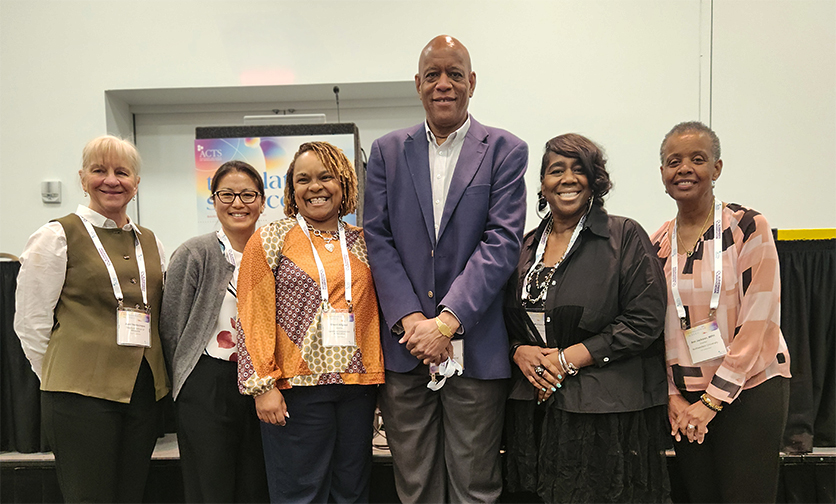
During the panel session, “From Concept to Capacity: Community Research Leadership Models Advancing Health,” ARCC Associate Director Sherida Morrison and Community Fellow Dr. Ann Jackson shared innovative approaches to strengthening community and organizational leadership in research. Dr. Ann Jackson, Executive Director of the Center for Food Equity in Medicine and Fellowship panelist, reflected, “Preparing and being on a conference panel afforded me new opportunities for networking with subject matter experts. I also left wanting to learn more about how I can become more involved with Northwestern’s translational science team and understanding how they are connecting with the community.” Edith Freeze, Executive Director of the Pachacamak Foundation and Fellowship attendee, shared, “Attending the ACTS Conference was a deeply inspiring experience that demonstrated the transformative impact of translational science in creating lasting change in our communities. Being surrounded by passionate leaders, researchers, and fellows reinforced my belief that science has its greatest impact when it is connected to people, inclusion, and community voices
Conference sessions further reinforced the importance of authentic community engagement, co-designed partnerships, workforce development pathways, youth engagement in translational science, and the growing national recognition that sustainable health solutions require community voices to be actively involved in shaping research priorities and implementation strategies. Sessions highlighted innovative models, including community engagement studios, trained community facilitators, youth clinical research pathways, virtual engagement approaches, and immersive learning experiences designed to expand access to translational science careers and opportunities.
Reflecting on the experience, Sherida Morrison, Associate Director of ARCC, emphasized the continued need for institutions to deepen their commitment to communities not simply as participants in research, but as leaders, co-designers, and trusted partners whose lived experiences and organizational expertise are essential to translational impact. “If translational science is truly committed to improving health outcomes and advancing implementation, institutions must continue reimagining how they invest in and support communities in leading research that reflects their priorities, assets, realities, and hopes for the future.”
ARCC extends sincere appreciation to NUCATS for its continued commitment to creating space for community voices to be active, visible, and valued within national translational science conversations. The conference reinforced the growing momentum toward more reciprocal, trust-based partnerships that strengthen both science and community well-being.