
December 2025 Newsletter
December 2025 Newsletter
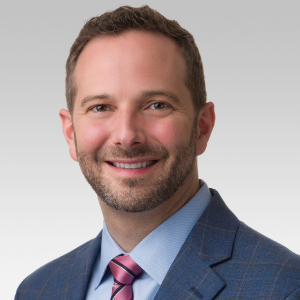
Faculty Profile
Stephen Magill, MD, PhD, is an assistant professor of Neurological Surgery. As a physician-scientist, his research and clinical care are focused on improving treatment and outcomes for patients with meningiomas, pituitary and skull base tumors.
What are your research interests?
My research is focused primarily on the clinical outcomes and the molecular drivers of meningioma, which is the most common primary intracranial tumor. I have side projects studying vestibular schwannoma, pituitary tumors and normal pressure hydrocephalus, as well.
What is the ultimate goal of your research?
Currently, the only treatment options we have for meningioma are surgery and radiation, but unfortunately, many of these tumors become resistant to those treatments and recur. The goal of my research is to understand the mechanisms that drive meningioma growth and radiation resistance and leverage that information to develop novel treatments for these terrible tumors. I want to have something effective to offer my patients when their tumors come back, which we currently lack.
How did you become interested in this area of research?
As a graduate student, I was interested in gene regulation and studied microRNAs and transcription factors. As I grew into a physician-scientist, it was a natural evolution of my curiosity and background to be drawn to the field of cancer biology, as most tumors exhibit some form of genetic dysregulation, whether it’s gene mutations, epigenetic changes, genomic instability/copy number changes or gene expression changes. It also fit well with my clinical interests in neurosurgical oncology and skull base surgery.
What types of collaborations are you engaged in across campus (and beyond)?
Collaborations are the foundation of any success and impact that I’ve had in helping improve our understanding of meningioma. At Northwestern, I’ve collaborated across disciplines, with materials engineers and bioengineers, pathologists, neurologists, oncologists and other clinical specialties. Locally, we’re working with the materials and bioengineering scientists to develop implantable bioabsorbable polymers that can deliver chemotherapy locally after meningioma resection.
Beyond Northwestern, I have a rich network of very close collaborators, including investigators at UCSF, Brigham and Women’s/Harvard, Baylor, and in Heidelberg, Germany. All the high-impact papers I have published have been a direct result of my multi-institutional collaborations. Impactful translational research based off human samples requires multi-institutional collaboration, both to achieve meaningful sample sizes and to establish generalizability of your findings. Beyond the research, the rich friendships established through working together with others who share your interest and passion has been a really rewarding part of my life.
Where have you recently published papers?
Lancet Oncology, JAMA Network Open, Neuro-Oncology, the Journal of Clinical Investigation, Nature Communications, Nature Genetics, Nature Medicine, Cancer Discovery, as well as in the neurosurgical literature including Neurosurgery and the Journal of Neurosurgery, among others.
Who inspires you?
Michael McDermott, MD, is an inspiration and mentor to me. He is a master surgeon who works tirelessly for his patients. He is a caring and talented physician. He inspired me to study meningioma and pursue the focus of my clinical practice, which is skull base surgery, some of the most complex, challenging and high-risk brain surgeries. I’m also inspired by many of my peers at Northwestern, who work tirelessly for the good of our patients.
On a personal level, I continue to be inspired by my late grandfathers, one who had an unquenchable passion and fire for life, and the other who was a farmer known in his community for his integrity, fairness and the respect and care he had for people in the community as well as the for land he farmed.
