
June 2026 Newsletter
June 2026 Newsletter
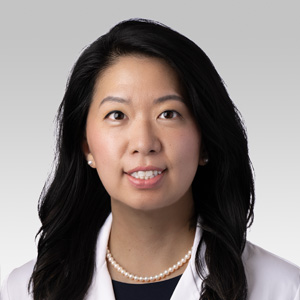
Faculty Profile
Jennie Kwon, DO, is the Gene Stollerman Professor of Medicine and chief of Infectious Diseases in the Department of Medicine. Her lab investigates reservoirs of antimicrobial-resistant organisms and develops new approaches that improve the detection, prevention and treatment of infectious diseases. As a physician-scientist, Kwon also cares for patients with infectious diseases, including individuals living with immunocompromising conditions.
What are your research interests?
Our lab is very interested in antimicrobial resistance (AMR), specifically in the role of the fecal and environmental microbiome in the detection, prevention and treatment of AMR. We want to understand how AMR develops, where the reservoirs for AMR are, and what can we do to more swiftly find AMR and stop it from infecting people. Our work spans the bedside to the bench, from partnerships with basic and translational scientists to dissemination and implementation to directly benefit patients.
What is the ultimate goal of your research?
Our lab is dedicated to combating antimicrobial resistance and exploring novel methods to detect, prevent and treat antimicrobial resistance. We are driven by a sense of urgency to create real-world solutions to the AMR crisis and are focused on bringing real-world solutions to the patient bedside.
How did you become interested in this area of research?
Early on in my career as a medical student, I was involved in the care of a patient with a liver transplant who had developed a severe, multi-drug-resistant infection. At the time we met, the infection was so severe that there was no antibiotic left to treat them, and they were eventually overcome with sepsis. It was both sad and frustrating to see that this person, who had gone through so much to live, be overcome by an infection that was untreatable. At this point, it became very clear to me that antimicrobial resistance can happen with any drug or therapy, and we need to work on combating antimicrobial resistance and preventing people from getting infected in the first place.
What types of collaborations are you engaged in across campus (and beyond)?
Translational, multidisciplinary work really is what makes our work better. Here at Northwestern and beyond, we have world-class scientists and clinicians who have unique skill sets, and together we can achieve more. For example, our lab has great partnerships with experts at the bench in animal models, microbial genomics and metabolomics who we work with to gain a mechanistic understanding of AMR, and partner with clinicians and scientists in dissemination and implementation to bring our findings and solutions into the real world.
Beyond the academic work, I am also engaged in public policy as a voting member of the Department of Health and Human Services Presidential Advisory Council on Combating Antibiotic-Resistant Bacteria. Taken wholistically, our work is truly encompassing, taking our work from the bench to the bedside and to public policy.
Where have you recently published papers?
The journals we publish in reflect the translational nature of our work. We have a few exciting papers that are currently out, including one that is focused on a prospective environmental hygiene intervention focused on hospital sinks. Our teams found that sinks in intensive care units can function as a reservoir for antibiotic-resistant organisms (ARO), and this study showcases an intervention to reduce the burden of AROs. We published this paper in EBioMedicine, published by The Lancet, and the focus of this journal is on bridging basic and clinical research.
We also published a recent paper leveraging microbial genomics in partnership with the Dantas lab, highlighting the extent of community-associated AMR. We also have papers focused on dissemination and implementation in infection prevention and antimicrobial stewardship published in the journal Infection Control and Hospital Epidemiology, the journal of the Society for Healthcare Epidemiologists of America. The gamut of our publications showcases the dedication to multi-disciplinary, translational research.
Who inspires you?
I am inspired by people who are both visionary and builders. People who have big ideas but also put in the work to make them real. I admire those who think creatively, solve problems and create meaningful impact through action, not just words. These are the leaders who we need to take us into the future and bring us together in the ever-changing landscape of academic medicine.
