
March 2026 Newsletter
March 2026 Newsletter
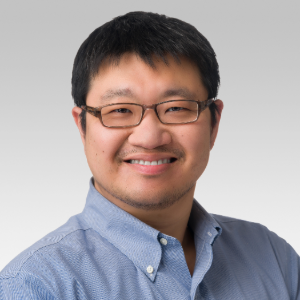
Faculty Profile
Rendong Yang, PhD, is an associate professor of Urology. His laboratory is interested in the integrative analysis of large-scale datasets to understand the initiation and progression of diseases by using highly accurate and sensitive computational methods for analyzing multidimensional omics data. Yang is a member of the Robert H. Lurie Comprehensive Cancer Center and the Simpson Querrey Institute for Epigenetics.
What are your research interests?
My research interests center on the development of cutting-edge genomic algorithms and machine learning frameworks for analyzing complex biological data. In particular, I design computational methods to extract biologically meaningful signals from large-scale DNA and RNA sequencing datasets. Although modern sequencing technologies generate vast amounts of multidimensional data, accurately identifying disease-relevant alterations remains challenging due to technical artifacts, biological heterogeneity and the complexity of regulatory architecture.
To address these challenges, I develop advanced computational models, including deep learning and genomic language model–based approaches, to detect genomic and transcriptomic alterations with high sensitivity and specificity. These include structural variations, aberrant splicing events, gene fusions and non-coding RNA–mediated regulatory mechanisms that contribute to cancer initiation and progression.
What is the ultimate goal of your research?
My ultimate goal is to leverage integrative data science approaches and genomic technologies to uncover the molecular mechanisms underlying complex diseases such as cancer, and to translate these insights into clinically meaningful patient stratification strategies and identify novel therapeutic opportunities.
How did you become interested in this area of research?
My interest in human genomics and cancer research began during my postdoctoral training, where I developed algorithms to analyze whole-genome sequencing data from multiple myeloma. Through this work, I became intrigued by how large-scale genomic alterations drive cancer progression.
A pivotal turning point came when I joined the University of Minnesota as a bioinformatics scientist. Working closely with pathologists, I helped develop a Clinical Laboratory Improvement Amendments (CLIA)-certified bioinformatics pipeline for detecting clinically actionable mutations. Witnessing how rigorous computational methods could directly inform patient care solidified my commitment to genomic medicine and motivated me to pursue research at the interface of algorithm development and clinical translation.
These formative experiences ultimately guided me toward cancer genomics and shaped my long-term focus on developing advanced computational tools to uncover disease-driving genomic and transcriptomic alterations.
What types of collaborations are you engaged in across campus (and beyond)?
Collaboration is central to my research program. At Northwestern, I have developed strong interdisciplinary collaborations through the prostate cancer Specialized Programs of Research Excellence (SPORE) program at the Lurie Cancer Center. I work closely with bench biologists and clinicians, bridging basic science and translational research. These collaborations focus on leveraging patient-derived genomic sequencing data to identify disease-driving mechanisms and develop clinically relevant stratification strategies. Beyond Northwestern, I collaborate with physician-scientists at the University of Minnesota to study chordoma, a rare and slow-growing malignant bone tumor. In this effort, we have generated and integrated multi-omics profiles of chordoma patient samples, including genomic, transcriptomic, epigenomic and single-cell datasets to identify potential driver events and better understand the molecular basis of this disease.
Where have you recently published papers?
I have recently published as corresponding or co-corresponding author in multidisciplinary journals such as Nature Communications and Science Advances, as well as in leading field-specific journals including Journal of Clinical Investigation, Briefings in Bioinformatics and Bioinformatics.
Who inspires you? Or who are your mentors?
I have been inspired by individuals at different stages of their careers. My long-term collaborator, Scott Dehm, PhD, at the University of Minnesota, has played an important role in my professional development. He served as a mentor during my first independent grant from the Prostate Cancer Foundation and helped me build a strong professional network within the prostate cancer research community.
At Northwestern University, my colleague Qi Cao, PhD, in the Department of Urology has been an exceptional collaborator. Together, we have established a highly productive partnership, leading to co-senior author publications and co-principal investigator federal grants. Our collaboration exemplifies the power of integrating computational genomics with experimental and translational research.
I am also continually inspired by my graduate students and postdoctoral fellows. Their creativity and willingness to explore bold ideas often push our research in new and unexpected directions, ultimately strengthening our work and leading to successful publications. Mentoring them is both intellectually stimulating and deeply rewarding.
