Innovative research and comprehensive training for the future of anesthesiology.
What We Do
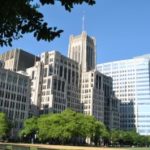
The Department of Anesthesiology at Northwestern University Feinberg School of Medicine is dedicated to providing comprehensive medical care for patients before, during and after surgery. We are committed to improving the future of this field through innovative research and the development of its future leaders.

Patient Care
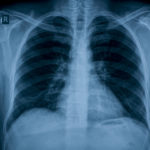
Our faculty members provide the highest quality of care in our specialized field through the leading-edge facilities of Northwestern Medicine and our affiliated hospitals.

Education
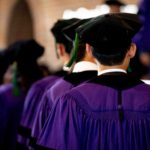
Our faculty members are committed to helping our students, residents and fellows maximize their potential and develop into future leaders in our field and related specialties.

Research
Our scientists are actively exploring new ways to minimize pain and maximize perioperative comfort for patients in a clinical setting.
Faculty Spotlight

Louanne Marie Carabini, MD, MA, FASA
Associate Professor of Anesthesiology (Neuroanesthesia) and Anesthesiology (Critical Care Medicine)
Louanne Marie Carabini, MD, MA, FASA, is the department's vice chair for education. The primary focus of her career has been to provide clinical excellence for trainees and an environment of inquiry. Dr. Carabini's scholarly activity involves systems-based practice improvements with a focus on outcomes of high-risk spine surgery, survival after cardiac arrest and clinical protocols on blood product allocation. With a master’s degree in medical humanities and bioethics, Dr. Carabini also provides expertise on perioperative ethics and end-of-life care.

David Walega, MD, MSCI, is chief of the Department of Anesthesiology's Division of Pain Medicine and the department's vice chair for research. He has practiced interventional pain medicine at Northwestern since 2003 and has helped train more than 75 fellows in the field. His clinical interests include interventional treatments for chronic knee pain, the role of the interventionalist in cancer survivorship and emerging applications of neuromodulation. Under his leadership, there has been consistent annual growth in clinical volume and the breadth and complexity of cases. Walega performed the first Dorsal Root Ganglion stimulator implant at Northwestern Medicine in 2018 and continues to bring innovative treatments to Northwestern and the field of pain medicine.

Obianuju Okocha MD
Associate Professor of Anesthesiology (Neuroanesthesia)
Uju Okocha, MD is the medical director of Northwestern Memorial Hospital's (NMH) Preoperative Clinic. Her clinical interest in perioperative medicine has led to research and publications focused on preoperative assessment and optimization and management of iron deficiency anemia. In collaboration with other hospital departments, Dr. Okocha is spearheading several Northwestern Medicine system initiatives such as expanding services in the anemia clinic (which is embedded within the preoperative clinic) to optimize blood product allocation and usage; pre-procedure penicillin allergy testing to minimize inappropriate antibiotic administration; and preoperative COVID-19 testing for all surgical patients at NMH.